
Bleeding Edge by Ninja Theory just got released on Xbox. By the look of the vibrant colors and over the top character design, you know you’re in for a special experience.
Looks like but it’s not
Let’s talk about the elephant in the room right from the bat… Bleeding Edge is a 4vs4 team brawler with exaggerated character designs and frantic gameplay. It’s pretty clear that the main concept looks a lot like Overwatch. Ninja Theory knew better than to try to tackle the behemoth known as Overwatch. While clearly taking inspiration from Overwatch, they made Bleeding Edge different enough to give it at least a fighting chance.

Close combat brawling
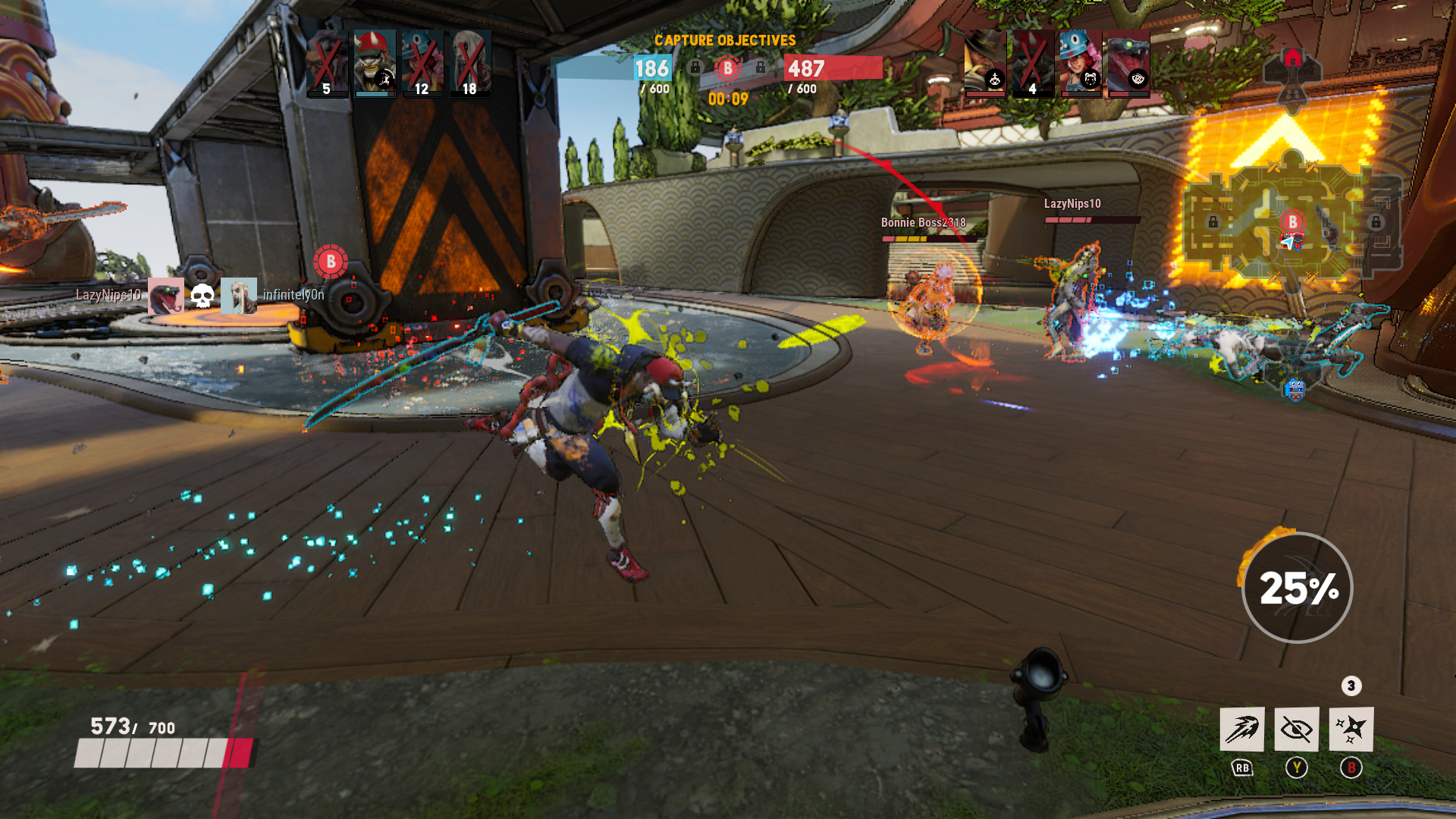
The main difference Bleeding Edge has over its competitors is the fact that it’s not a player vs player shooter. Ninja Theory decided to steer away from that path and make it all about close combat brawling instead. This makes for some frantic battles I must say. There’s just no hiding in Bleeding Edge. If you stay in the background you’ll only see your team lose because you can’t really contribute if you’re not engaging from a close distance.
Super-charged
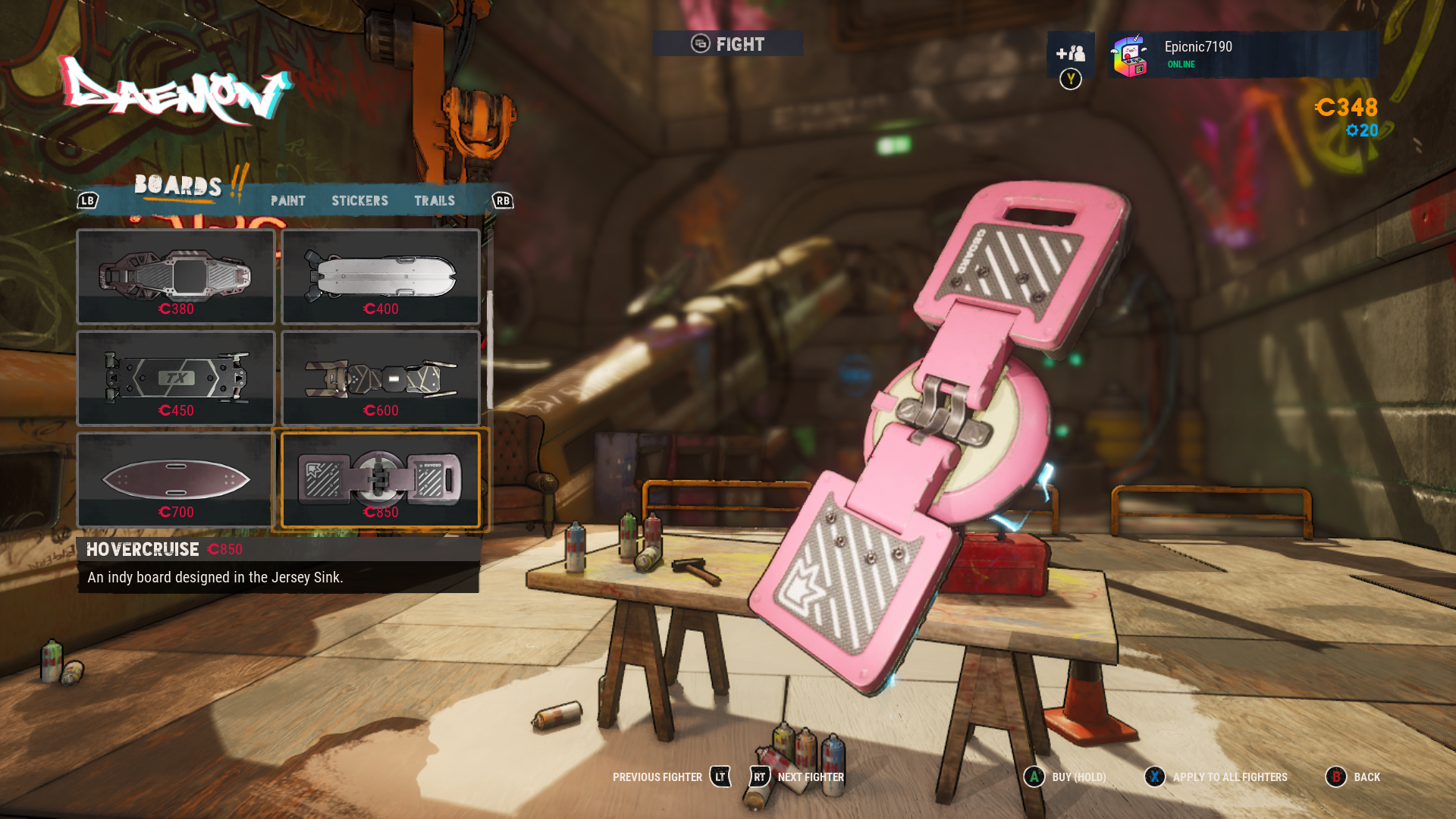
The character design in Bleeding Edge is awesome. With 12 very distinctive characters to choose from which all have their personal fighting style, you’ll have plenty to test out before you settle on your favorites. Each fighter is mechanically enhanced with a unique set of abilities. Daemon, for instance, has the ability to throw shuriken to slow down a fleeing enemy. He can also use his stealth ability to position himself for a deathly blow with his graffiti blade. Zero Cool, on the other hand, has all sorts of gadgets to support your teammates. He can put up a wall to temporarily stop an enemy and he can even place robots that target enemies automatically.
Each has its role
Every character falls into one of three categories. You have the damage category which features the agile fighters with fast movement and OK damage-dealing capabilities. Then you have the healer category which features the characters who offer much-needed support. They are capable of fighting but are much more useful as support for the previous category. Lastly, you have the tank category which features the heavy hitters who can take more damage than any other character. They are a bit more sluggish but they are ideal to keep the opposing team busy while other team members go about their way to win the match.
Score big, win big
Getting into a match randomly puts you into one of two types of games. In the first, you need to control certain points on the map to gain points. These points change from time to time during the match to mix things up enough. Killing your opponent gives you bonus points. The first team to reach a certain amount of points wins. For the second game type, you need to collect cells and at a certain point exchange them for points. This mode was really thrilling because you lose the cells your holding when killed. Your team might hold all the cells at one point and still lose. If the other team manages to kill you and steal your cells right before the delivery points are activated… a pretty sour feeling I might add.
Fun is determined by your team
Now the biggest downside I experienced during Bleeding Edge was the fact that your team is everything. You can’t beat the opponents if you’re not working as a team. Going full Rambo on your opponents is a sure way to get butchered. If you happen to be in a team full of lone wolves… it gets quite frustrating. Another thing that breaks the experience is a team with no balance. If your team doesn’t have a healer or a tank you can forget getting anywhere. I had my fair share of these types of experiences which made me question the longevity of Bleeding Edge.

Not much on offer besides the fighting
Bleeding Edge starts off with some tutorials to get you going. After completing these you can go to a dojo to test out all the moves each character has. Besides that, there is not much else to do other than the online fighting action. I’m not convinced this game needs a single player but if you look beside the 4v4 matches, there isn’t much to do. If one needs a break from the frantic gameplay present in the online matches, you need to simply stop this game entirely. Herein lies a potential problem for future matchmaking. If you can’t keep your potential player pool interested enough in the online part, you run the risk of losing them entirely.
Conclusion
Bleeding Edge is a different and original take on a well known and popular genre. I just can’t help thinking Bleeding Edge might just not be enough to keep players invested in the game. It’s a welcome change but beyond a few weeks of playing, I can’t see myself continuing onwards.
