
Ghostwire: Tokyo is the latest game from Shinji Mikami, the director of Resident Evil, The Evil Within, and more iconic horror games. He teamed up with Tango Gameworks and Bethesda to bring us Ghostwire: Tokyo, a gorgeous open-world horror game set in Japan. Is this the horror game we’ve all been hoping for? Let’s jump in!
Wake up
The story of Ghostwire: Tokyo is very mysterious and unique right from the start. You control Akito who’s already dead. It all started when a mysterious deadly mist came out of nowhere, killing everyone that came in its path. 99% of the people died in Tokyo that day, leaving only a pile of clothing behind. Akito was in an accident that day but thanks to a visit of the spirit called KK, he came back to life. He’s on a mission to save his sister, but KK has other plans for his host. It seems like the mist opened some sort of portal or bridge between worlds, allowing evil spirits, called Visitors, to enter Tokyo. As Akito, it’s your job to silence these deadly spirits and save the good spirits that are currently trapped in the city. Who’s behind this mysterious attack? Hannya, a masked villain operates as the self-proclaimed mastermind but is this really the case?
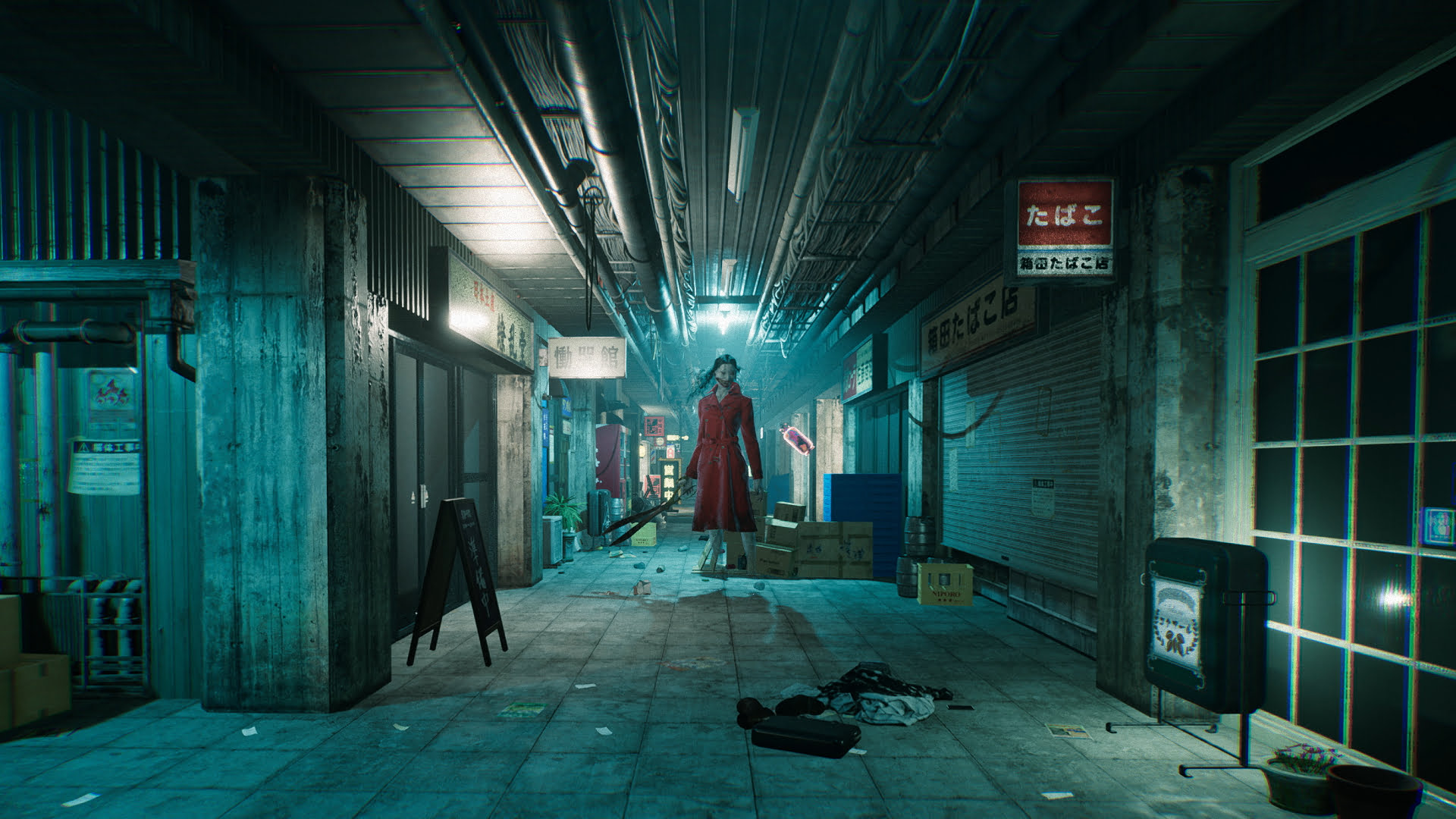
What I like most about the story is that it’s surrounded by mystery, just like the city itself, you won’t have access to the complete story during your first hours with the game. If you want to learn the truth, you’ll need to discover the source of the evil and find answers to why all of this happened the way it did. Since this is a review, I won’t go into spoiler territory as the story simply is too good and too important to spoil. The story is what keeps you going in this game and it’s amazing to see how much love and details the developers have put into it. The story is more than just running from one scene to another, you need to discover it yourself, and only by paying close attention to details in the world, will you learn the complete truth eventually. Since Tango Gameworks worked on the game, it won’t come as a surprise that the story is filled with Japanese folklore and legends. From yōkai roaming the city to classic Japanese horror like the white bride, it’s all there and it’s all part of the story. I love how well they integrated real legends and folklore into this game as it clearly adds an extra layer on top of the already unforgettable story itself.
Discover a broken Tokyo
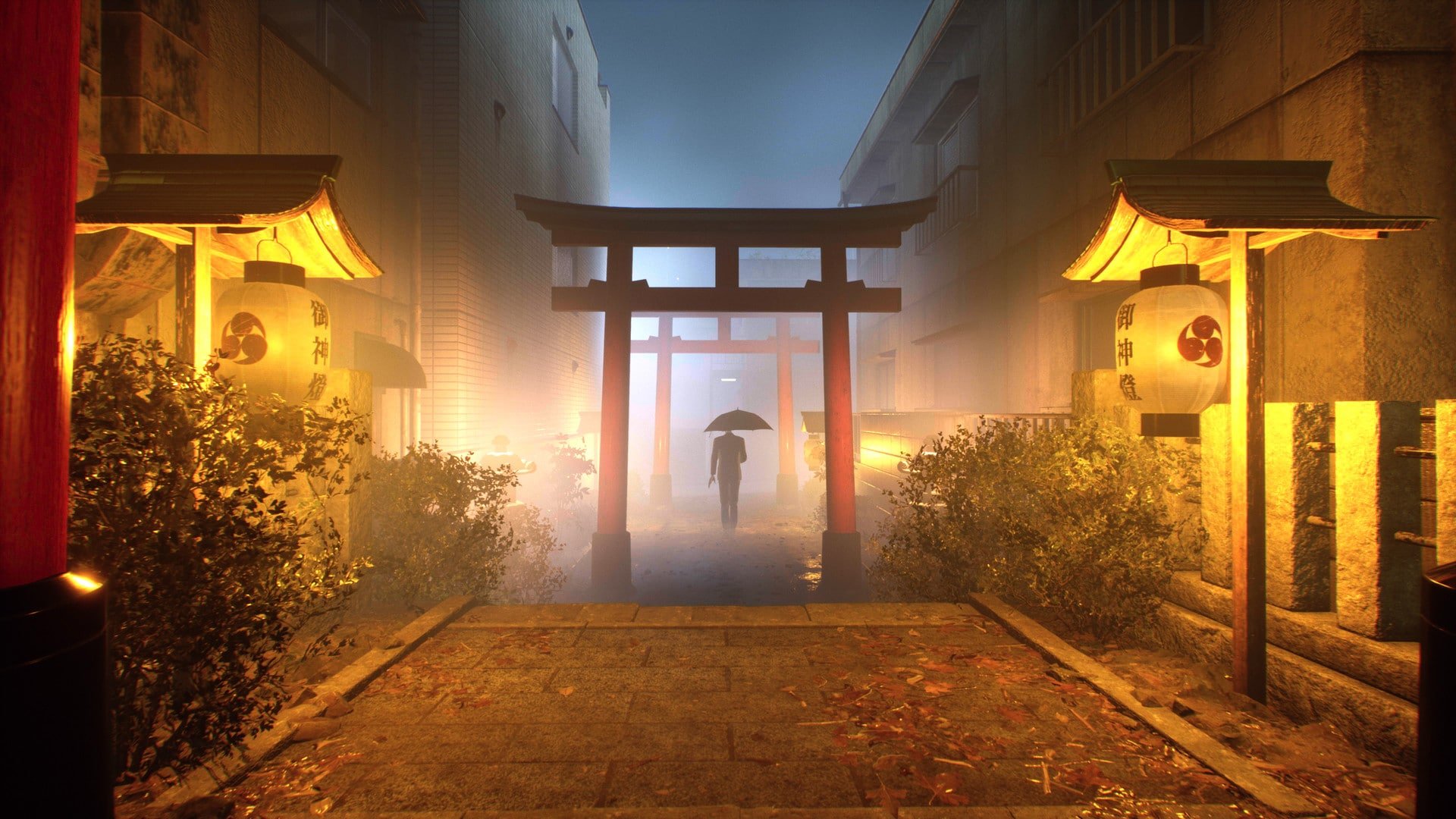
Unraveling the story is one of the game’s biggest charms, especially since you’re discovering a broken Tokyo while doing so. It wasn’t that clear during the first trailers of the game, but this certainly is an open-world game. Although most of Tokyo is covered in a deadly mist at first, you’ll unlock more of the map by cleansing torii gates from corruption. The more gates you cleanse from evil spirits, the bigger your playground becomes. This still is Tokyo as you know it, complete with its iconic landmarks and narrow streets that light up with bright neon signs, the only big difference is that most people disappeared. This resulted in a desolated and broken Tokyo, it almost feels clinical until you start discovering its secrets. The empty streets and empty buildings of Tokyo certainly have their charm and thanks to the power of the PlayStation 5, the world really comes to life. It’s one of the best-looking games out there and especially for an open-world game, this is extremely impressive and satisfying.
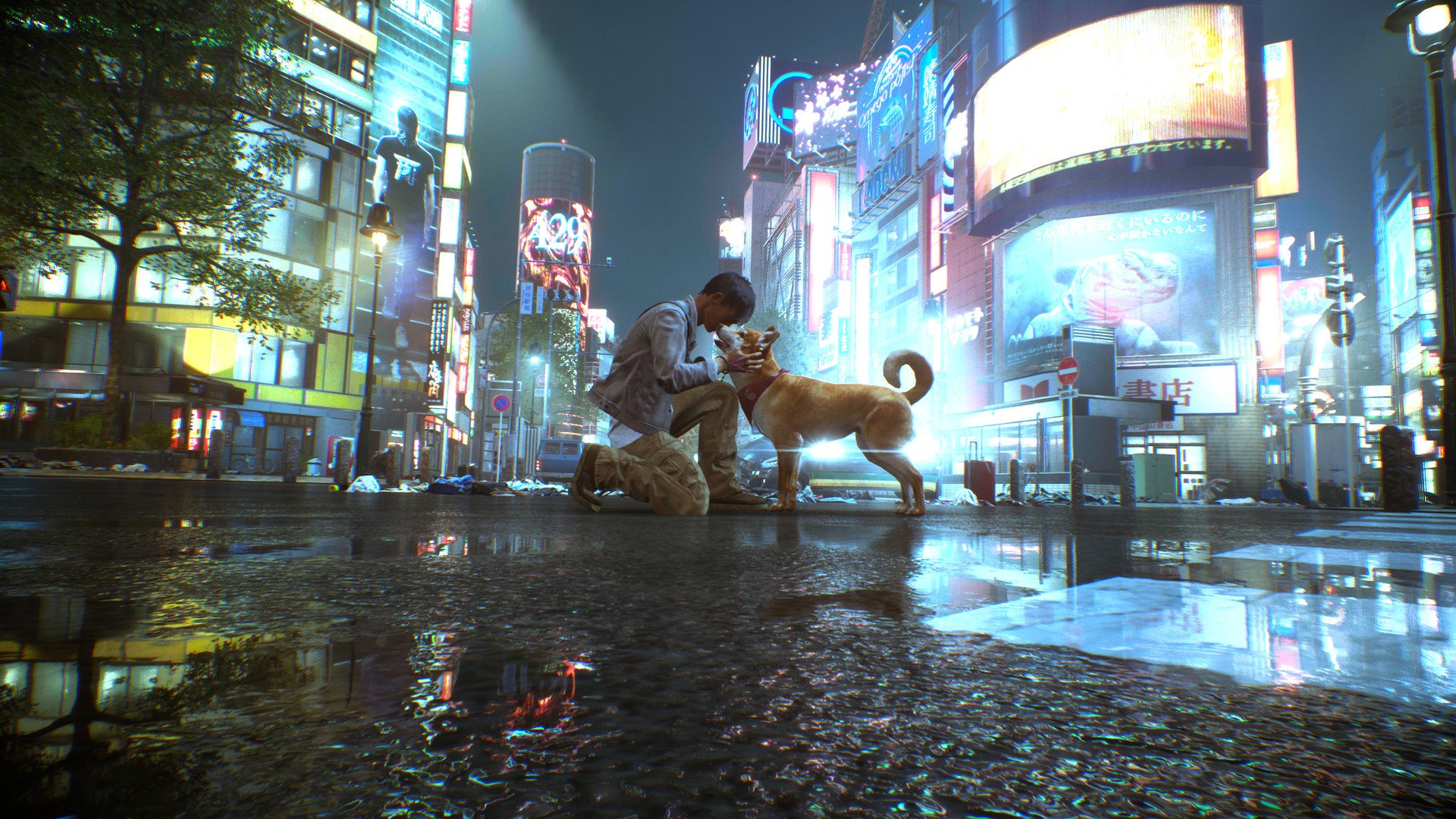
Besides that, the world just wants to be discovered as there are tons of hidden details all over it. If you’re just following the story missions, you’ll miss out on a lot of fun. Like all other open-world games, Tokyo: Ghostwire offers side-missions but in comparison to other games, the side-missions of Ghostwire are way more fun and rewarding to play. In a side-mission, you’ll never know what to expect or where you’ll end up. From being teleported to another dimension to helping out talking dogs, it’s all there and it offers a crazy amount of extra fun. Playing through the side-missions and discovering secrets like hidden collectibles or hidden yōkai will also result in some needed rewards to make you stronger. Another big part of the game is Akito’s skill tree that’s not only used during combat. You can also upgrade certain skills to make the exploration of the city a lot easier. Take your personal yōkai for example, this creature can lift you up onto Tokyo’s rooftops where you’ll have a nice overview of the city and access to a lot more secrets and hidden items. It’s worth your time investing in these secrets and forms the second major gameplay element of the game. The other one is immersive combat of course.
Time to cast some spells
In combat, you’ll fall back to magic and some classic weapons like a bow and arrow. During the first minutes of the game, you’ll be able to blast your enemies with a gust of wind. The more I advanced, the more variation in attacks I unlocked. After more than an hour with the game, I was able to perform air, water, fire attacks all while I could still use my bow and arrow and even use special items to stun my enemies. I love how the combat of the game quickly evolved from performing the same attack over and over again to combining my different abilities in order to stay alive when a pack of Visitors attacked. The combat feels very natural and has a rather deep leveling system and skill tree to keep you motivated. The higher your level, the better and more powerful your attacks will eventually become. I like the combat a lot and love the fact that you’re able to run around freely and block attacks all while preparing your own set of attacks. If you manage to weaken your enemies, you can rip out their cores, which will lead to their permanent death. Again, it all starts pretty easy with the same type of enemy you’ll have to face over and over, but the game introduces different and more challenging enemies at a steady pace. I like how the game throws different types of enemies at you without further explanation. If you want to defeat the more challenging boss-like Visitors you’ll need to time your attacks and block perfectly if you come out of the confrontation alive.
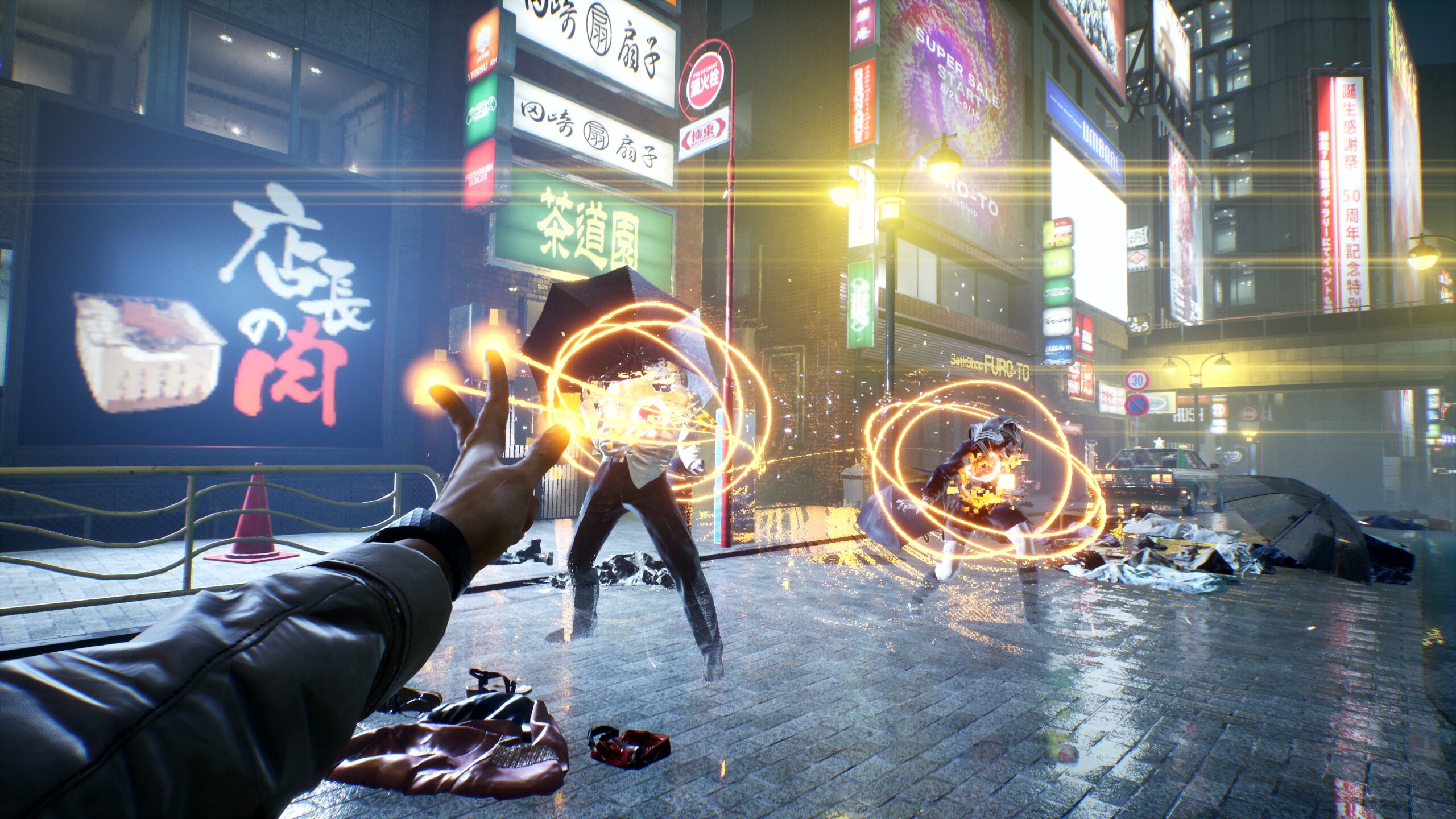
In my preview, I was concerned that combat could become too repetitive and boring after a while but that’s nothing to worry about. After spending a couple of hours with the combat system, it’s safe to say it goes a lot deeper than first anticipated. Thanks to the skill tree, you can always boost your regular attacks which will eventually lead to devastating powers the more you progress. The way your attacks gradually get stronger is very well done and keeps you entertained until the very end. Where I was using my wind magic at first, I was combining different styles and different defenses the more I advanced. Since it’s a first-person game, I also got fully immersed in the combat. On top of that also comes the fact that exploration will certainly benefit your power level and abilities. Some yōkai will give you certain essence to unlock the most powerful attacks while temples often hide attack or defense boosting bracelets. Want to level faster and increase your health? Be sure to save the floating spirits and send them over through a payphone for some extra experience. Everything in the world of Ghostwire makes sense and it’s good to see that your actions really result in better stats and more powerful attacks.
Besides your attacks themselves, the game keeps offering variation during your story. There’s a lot of variation in the enemies you’ll face and the developers don’t shy away from introducing new types of enemies very deep into the game. Most of them are all inspired by Japanese ghosts and urban legends, which makes it even more thrilling to face them. The variation between the regular enemies and the stronger boss-like enemies is again, very well done and ensures that you’ll never get bored. It also helps that the main missions dare to challenge you in ways you haven’t been challenged before. Think about being stripped away from all of your powers to finding certain stones before the time runs out. It will take you around fifteen thrilling hours to complete the story missions but you can easily double that time if you look for side missions and secrets.
The power of the DualSense
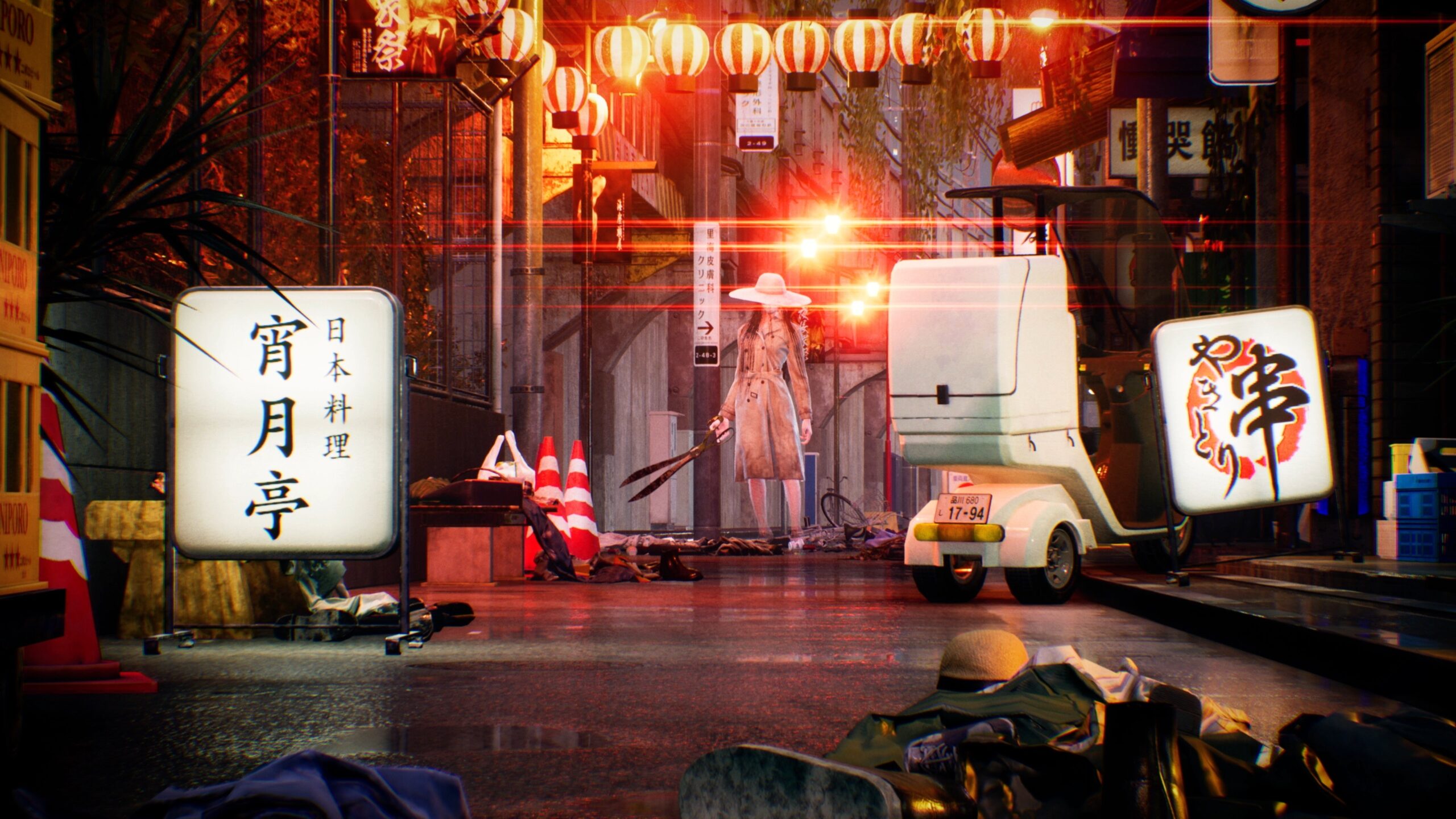
The last thing I would like to mention before I jump to the conclusion is how well the game makes use of the DualSense controller and its speaker. Throughout the game KK will talk a lot to you, explaining important details of the story or pointing out where you’ll need to go. These dialogues all happen through the DualSense speaker which makes you feel more connected to KK. But that’s not all, during the exploration in Tokyo, you’ll often hear audio prompts if you’re close to hidden items or when a flying yōkai is nearby to help you get on top of rooftops. The audio of the DualSense also makes things a bit creepier when you’re close to evil spirits, when you’re getting close, you’ll hear ghostly breaths which immediately sets a different tone while exploring. I love how well the audio of the DualSense is integrated into the game and this in combination with the haptic feedback and 3D-audio results in total immersion. Ghostwire: Tokyo really manages to create a scary atmosphere where you’re never really at ease. It’s a rather intense game but for horror fans, this is a true coming true without any doubt.
Conclusion:
Ghostwire: Tokyo is an incredible horror game and by far one of the best currently on the market. It’s amazing to see how well it manages to combine a gorgeous open-world with unsettling Japanese folklore. For a horror game, it’s a rather unique combination of first-person magic-wielding and open-world exploration but in the end, it’s worth every minute of your time. If you’re a fan of the genre, this is possibly the best game you’ll play this year.
